Source V Type Non Turbocharged Engine Block for Excavators
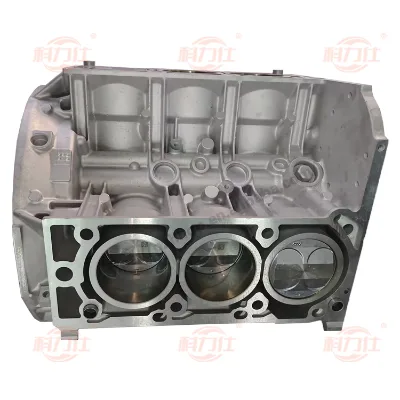
Find a v type non turbocharged engine block for heavy machinery applications. Compare 30 listings from Chinese suppliers offering cast iron and aluminum alloy options. Review specifications for models like B12s and Dk13-06 to find suitable replacements for excavators and repair shops.
Key considerations
Products List






Comprehensive Sourcing Guide
V Type Non Turbocharged Engine Block Sourcing Guide
Procurement professionals must first distinguish between cast iron and aluminium alloy engine blocks when sourcing v-type non-turbocharged units, as the supplied data indicates both material standards are available in the market. Buyers should verify the specific alloy composition and casting method, noting that cast iron variants often offer superior durability for heavy-duty applications like excavators, while aluminium alloys may be preferred for weight-sensitive manufacturing plants. The observed listings confirm that these components are frequently marketed as replacements for repair purposes, requiring careful alignment with the original equipment manufacturer's specifications to ensure compatibility.
The observed product range includes specific model identifiers such as FCLGBLK-0011 and FCLGBLK-0018, which serve as critical reference points for verifying the exact engine architecture required for a v-type configuration. Sourcing teams must cross-reference these model numbers against the engine codes listed, such as B12s, B12D, Dk13-06, and C18, to confirm the block matches the intended non-turbocharged engine family. It is essential to treat these model numbers as observational data points rather than universal guarantees, ensuring that the selected block physically fits the engine bay and aligns with the specific cylinder arrangement of the target machinery.
Product Scope and Observed Listing Signals
Buyers should analyze the observed listing signals to understand the diversity of packaging and condition states available for v-type non-turbocharged engine blocks. The market data reveals a mix of new and used units, with packaging ranging from standard wooden cases and pallets to cartons and cardboard boxes, which directly impacts logistics planning and handling requirements. Procurement teams must evaluate whether the "Original Factory Cat" branding or generic names like "ke li shi" align with their quality expectations, as the condition of the block significantly influences the long-term reliability of the assembled engine.
The application scope for these blocks extends beyond simple engine replacement to include broader machinery repair shops and construction sites, as indicated by the listed applicable industries. Sourcing guides must account for the fact that some listings specify the block for use in excavators, weeders, or garbage trucks, necessitating a verification of the mounting points and cylinder dimensions against the specific application machine. Buyers should be cautious of generic descriptions and ensure that the "Purpose: for replace/repair" claim is backed by detailed dimensional drawings that confirm the block's suitability for the specific v-type engine architecture.
Technical Specifications to Verify
Technical verification begins with confirming the cylinder block model numbers and engine codes, such as 4D88, 4tnv88 Cylinder, and 272, which are explicitly mentioned in the available product data. Procurement specialists must ensure that the physical dimensions, such as the 45X45X45 cm standard or the 201015 cm specification, match the spatial constraints of the engine bay and the cooling system requirements. It is critical to validate that the "Precision Measuring Device" and "Accuracy: A" claims correspond to actual tolerance levels, as even minor deviations in cylinder bore or deck height can lead to catastrophic engine failure in v-type configurations.
Buyers must also scrutinize the engine type to confirm the absence of turbocharging components, as the core keyword specifies a non-turbocharged unit. The presence of specific engine codes like B12s or C18 suggests a particular displacement and power output profile that must be matched to the application's torque requirements. Verification should include checking the "Measure Method: Manual" and "Measurement Object: Length" to ensure that the dimensional data provided by the supplier is derived from reliable, repeatable measurement processes rather than estimated values.
Compliance and Safety Documentation
Compliance verification requires a thorough review of the certification documents provided, specifically looking for CE, ISO9001, RoHS, GB, and DIN standards that are listed in the product attributes. These certifications indicate that the engine block has undergone specific quality control processes and meets international safety and environmental regulations, which is crucial for machinery operating in regulated industries like construction and manufacturing. Buyers should request the full certification certificates to confirm that the specific batch of engine blocks being purchased carries the valid ISO9001: Condition:New or ISO9001: Condition:New status, ensuring traceability and adherence to quality management systems.
Safety documentation must also address the "High Quality, 100% Professional Test" claims observed in the listings, which serve as a proxy for the rigorous testing protocols applied to the engine blocks. Procurement teams should verify that the testing covers critical failure modes such as thermal stress, pressure integrity, and material fatigue, particularly for blocks intended for heavy-duty applications like excavators. The presence of "Precision Measuring Device" in the attributes suggests a commitment to dimensional accuracy, but this must be corroborated by independent test reports that validate the block's structural integrity under operational loads.
Cost Drivers and Commercial Terms
Cost drivers for v-type non-turbocharged engine blocks are heavily influenced by the material standard, with cast iron and aluminium alloy variants commanding different price points based on raw material costs and manufacturing complexity. The observed price range of 1 to 99,999 USD reflects the vast difference between single-unit replacements and bulk industrial orders, requiring buyers to negotiate based on the specific model number and condition of the block. Procurement strategies should account for the "MOQ: 1PC" availability, which allows for small-batch testing, while also considering the potential economies of scale for larger orders that might reduce the per-unit cost significantly.
Commercial terms such as delivery time and packing method are critical factors in the total cost of ownership, as the observed lead times of 1-3 days and 3-7 days indicate varying levels of supplier readiness and inventory management. Buyers must evaluate whether the "Standard Packing," "Wooden Box/Carton Box," or "Pallet" options align with their logistics capabilities and whether the "Delivery Time" guarantees are realistic given the origin locations in Guangdong or Shandong, China. Understanding these terms helps in planning the procurement timeline and avoiding costly delays that could impact production schedules in machinery repair shops or manufacturing plants.
Supplier Qualification and Quality Control
Supplier qualification should focus on verifying the "Brand: Original Factory Cat" or "Brand Name: ke li shi" claims to ensure the supplier has a legitimate supply chain connection to the engine block manufacturer. Buyers must assess the supplier's ability to provide "Customization" services, as the observed attribute indicates that some vendors offer tailored solutions for specific engine configurations. It is essential to confirm that the supplier maintains a robust quality control system, evidenced by the "100% Professional Test" claim, and that they can provide documentation proving the "Accuracy: A" level of precision for the cylinder blocks.
Quality control processes must be validated through on-site audits or third-party inspections, particularly for suppliers located in China who may have varying levels of adherence to international standards. The presence of "Precision Measuring Device" and "Measure Method: Manual" in the product attributes suggests a reliance on human inspection, which requires strict oversight to prevent errors. Procurement teams should demand evidence of the "Certification: ISO,RoHS,GB,DIN" compliance for each batch, ensuring that the quality control measures are consistent and that the engine blocks meet the rigorous demands of v-type non-turbocharged engine applications.
Long-Term Procurement Checks
Long-term procurement checks should include a periodic review of the supplier's ability to maintain consistent quality and delivery performance over time, especially for critical components like engine blocks. Buyers must monitor the "Warranty: 3" period to ensure that the supplier honors their commitments regarding defects and performance issues, which is vital for maintaining operational continuity in machinery repair shops and manufacturing plants. Regular audits of the supplier's inventory and production capacity can help prevent supply chain disruptions and ensure that the "Customization" capabilities remain available for future engine upgrades or replacements.
Sourcing teams should also track the evolution of product standards and certifications, as the market may shift towards new materials or manufacturing techniques that offer improved performance. The observed "Application Machine: Excavator/Weeder/Garbage Truck" data suggests that the engine blocks are used in diverse environments, requiring ongoing verification of their durability and reliability under varying operating conditions. By maintaining a proactive approach to supplier management and quality assurance, buyers can mitigate risks and ensure a steady supply of high-quality v-type non-turbocharged engine blocks for their operations.
FAQs
What engine models are compatible with these engine blocks?
These engine blocks are compatible with specific models such as B12s, B12D, Dk13-06, and C18. They are designed for heavy machinery applications including excavators and garbage trucks. Buyers should verify the exact engine code, such as 272 or 4D88, to ensure proper fitment for their repair or replacement needs.
Which materials are used for manufacturing these engine blocks?
Manufacturers use cast iron and aluminium alloy for these engine blocks. The choice depends on the specific application requirements and durability needs. Cast iron provides robust strength for heavy-duty operations, while aluminium alloy offers lighter weight properties. Both materials undergo professional testing to ensure high quality and performance standards.
Can I customize the engine block specifications for my project?
Yes, customization is available for these engine blocks to meet specific project requirements. Buyers can request tailored specifications to ensure optimal performance. The supplier offers customized solutions, allowing for adjustments in dimensions or material composition. This flexibility ensures that the engine block fits precisely into various machinery setups.
What certifications do these engine blocks hold?
These engine blocks hold certifications including CE, ISO9001, ISO, RoHS, GB, and DIN. These certifications ensure compliance with international quality and safety standards. Buyers can rely on these credentials for assurance of product reliability. The condition is typically new, and professional testing is conducted to maintain high-quality standards.
What is the typical delivery time for these engine blocks?
The typical delivery time ranges from 1 to 7 days depending on the order and supplier. Some suppliers offer rapid delivery within 1 to 3 days, while others may take up to 3 to 7 days. This timeframe allows for efficient sourcing and quick integration into machinery repair or manufacturing processes.
How are these engine blocks packaged for shipping?
These engine blocks are packaged in various formats including pallets, cartons, wooden boxes, and cardboard boxes. Standard packing dimensions may vary, with some items packed in wooden cases measuring 45x45x45 cm. The packaging is designed to protect the product during transit, ensuring it arrives in pristine condition.